
Abundant Rivers
What role can hatcheries play in recovering harvestable salmon abundance while protecting wild populations?

I can still remember standing on the banks of the Sandy River as a kid, the cold water rushing past my boots as I peered into a bucket filled with bright, wriggling smelt. My dad and I would scoop them up by the dozens, their silver bodies flashing in the morning light. Back then, the river felt alive with abundance—a place where fish were more than just something to catch. They were part of the rhythm of the landscape, the connection between people and water, past and future.
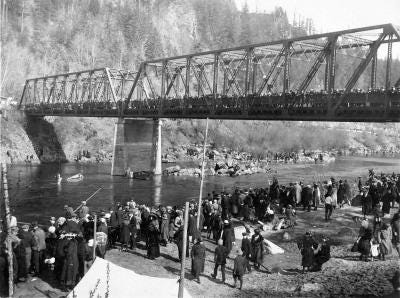
That memory has stayed with me, especially as I think about the future of Oregon’s fisheries. Our state’s rivers once teemed with salmon, steelhead, and other fish species that supported thriving commercial, recreational, and Tribal fisheries. But over time, habitat loss, warming waters, and changing ocean conditions have put tremendous pressure on these populations. Maintaining and rebuilding abundant fish runs is not just about nostalgia; it’s about ensuring that future generations have the same opportunities we once did.
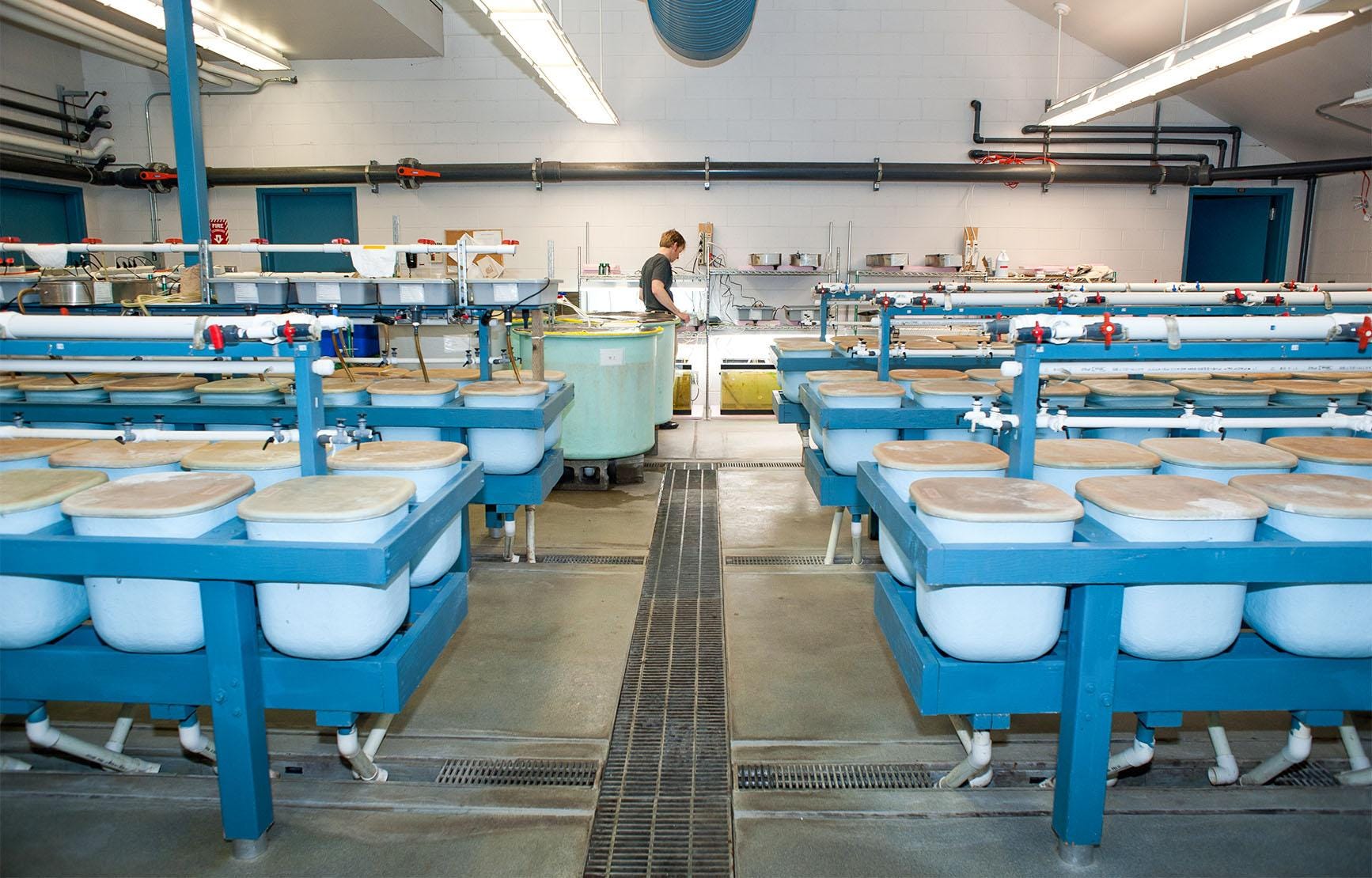
At the Oregon Hatchery Research Center (OHRC), our work focuses on understanding how hatcheries can contribute to fish abundance while protecting the genetic integrity and resilience of wild populations. Over the past decade, research conducted through OHRC has helped refine hatchery practices to improve survival, enhance fish performance, and minimize risks to wild stocks. Studies have examined how timing of juvenile fish releases affects survival, how selective breeding strategies can enhance reproductive success, and how hatchery fish home to their natal rivers to reduce straying. As hatchery science evolves, so does the need to synthesize research findings to help guide decisions about the future of salmon hatcheries in Oregon.
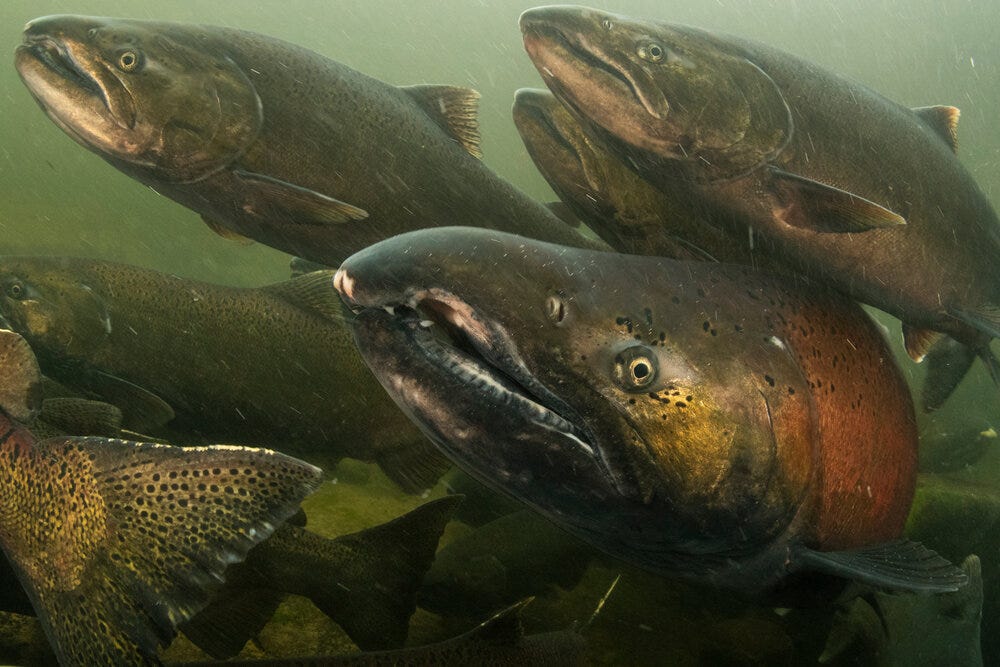
This raises a number of questions that research can help address. How can hatcheries be designed or retrofitted to produce fish that are better prepared to survive and thrive? Many existing facilities were built decades ago with a focus on production numbers rather than long-term performance of hatchery fish in the wild. If we were to rethink the role of hatcheries today, what environmental factors should be accounted for? Water quality and temperature are critical considerations, as hatchery fish often experience conditions very different from those they will encounter upon release. Can new hatchery designs integrate more naturalized conditions to better prepare fish for survival? How can we ensure that the timing of releases matches ocean productivity cycles to improve survival rates?
Another area of growing interest is the role of community-based hatchery efforts in supporting fish populations. In partnership with the Coquille Indian Tribe, OHRC is evaluating the use of streamside incubators, commonly referred to as hatchboxes, in the Coos River. These small-scale systems allow fertilized eggs to develop in natural stream conditions before the fish emerge and migrate to the estuary and ocean. Can hatchboxes serve as an effective tool for increasing fish abundance while maintaining genetic and behavioral traits important for survival? What are the ecological trade-offs, and how do they compare to traditional hatchery practices? The research being conducted now will help answer these questions and determine whether hatchboxes might play a role in future fish restoration efforts.
Public perceptions of hatcheries also play a crucial role in shaping their future. OHRC is currently engaged in social science research to better understand how different communities—Tribal and non-Tribal fishing groups—view the role of hatcheries in Oregon’s fisheries. While some see hatcheries as a necessary tool for maintaining fish abundance and supporting harvest opportunities, others are concerned about their ecological impacts on wild populations. Understanding these perspectives is essential for effective communication. What values and experiences shape people's opinions about hatcheries? How can outreach efforts foster a more informed dialogue about the benefits, limitations, and evolving science behind hatchery operations? By examining these questions, this research can help bridge gaps between different groups and ensure that hatchery management decisions reflect the diverse priorities of Oregon’s fishing communities.
Ultimately, these questions reflect the evolving nature of hatchery science. Hatcheries have long played a role in providing fish for harvest, but their future depends on using research to refine their function. The challenge is not simply to produce more fish, but to ensure that hatchery practices align with conservation needs, ecosystem health, and the interests of fisheries stakeholders. By integrating decades of research and engaging in new studies, OHRC, Oregon State University, and their partners are working to inform decisions that will shape the future of Oregon’s fisheries.
Oregon’s rivers still have the potential for abundance. With the right tools and a commitment to science-based management, we can work toward a future where our fisheries are resilient, sustainable, and accessible to all.